
INNOVATION
7 September 2026
Elina Leiviskä: Bridging research and practice in nursing and midwifery education
Spotlight
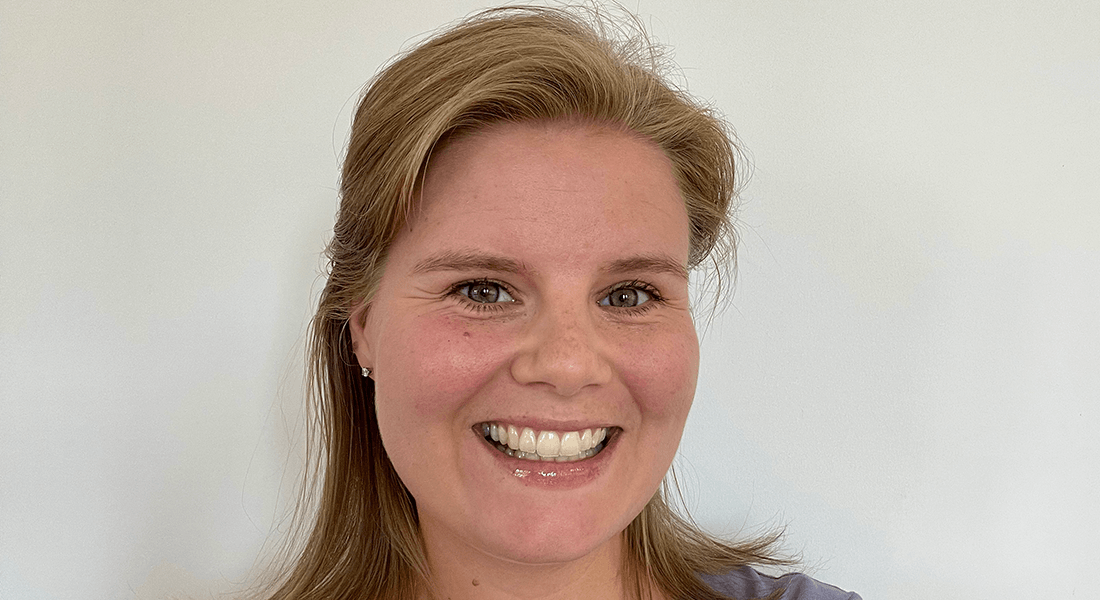
Meet Elina Leiviskä, a postdoctoral researcher in the Global Health Section, Department of Public Health, University of Copenhagen. As part of the Partnership for the Education of Health Professionals project, Elina explores how nursing and midwifery education can be strengthened through research and evidence, with a particular interest in the connection between what students learn and how they practise in real-world clinical settings.
Tell us about your research
I work on the Partnership for the Education of Health Professionals (PEP) project as a postdoctoral researcher in the Global Health Section. The PEP project is an international research and capacity development project that works to strengthen health professions education in collaboration with partners in India and Kenya. My focus within PEP is nursing and midwifery education, looking at how the largest group in the global health workforce is taught and trained, and how research can shape the way they learn and practice.
I'm a registered midwife and nurse, and I came into research from clinical practice. My research has focused on how nurses and midwives are educated, and in particular on how research and evidence can shape the way they are taught. This is sometimes called the ‘know-do gap’ in nursing and midwifery education, which refers to the difference between what research shows and what clinicians do in daily practice, and the role education plays in between. In fields like nursing and midwifery, a lot of that comes together during clinical placements, where students get to apply what they've learned in real settings. As my work in the PEP project develops, I expect to focus more closely on clinical education and the supervision of students in practice. This interest in connecting education with practice also extends to women's health and wellbeing, which is what first drew me into the field.
Why is this research important?
Every healthcare professional starts out as a student. The way they are taught and what they carry from their training into practice stays with them throughout their careers and shapes the care they provide. Given the workforce shortages and rising demands that health systems worldwide are facing, the way we prepare, and support future professionals will determine the quality of the workforce on which those systems depend.
There is good reason to think that how well these professionals are trained influences not just their own confidence and competence but also the safety and quality of care their patients receive. This is why continuing to study and strengthen it is worthwhile.
What excites you about your work and your research?
I enjoy that my work sits at the intersection of global health, health professions education, and clinical practice. It never lets me settle into one way of thinking, and answering a question often requires bringing those different perspectives together.
Much of this comes from the people I work with. Our international partners have different perspectives and ways of working, which keeps me learning when I work across those contexts. The project also brings together people from different disciplines and sectors, such as the social sciences, public health, and education. Being among colleagues who think differently from me and observing how they approach problems is one of the most interesting parts of my job.
Where do you see yourself in 10 years?
I hope to continue working in global health, though I try not to fixate on exactly what that will entail, be it research, education, practice, policy or some combination of these. The most important thing to me is staying connected to real-world care and the people the work is ultimately for. I want to use what I know to contribute something useful alongside others. More than any particular position, I hope to still be a good collaborator: curious, open, and always learning from the people I work with.
What advice do you have for junior researchers in global health?
Take initiative! Looking back, some of the best opportunities I've had came from proactively reaching out and asking, rather than waiting for an opening to be advertised. If something interests you, approach the people doing it, even if they're not formally looking. Not everyone will say yes, and plenty won't reply at all. However, the ones who do can change the whole direction of things, and you only find them by asking.
What is your favourite source of global health inspiration and/or knowledge?
The people I've met over the years while working in global health are definitely the best part. Since it's such an interdisciplinary field, everyone comes at it from a different background. I've learned so much simply by talking with people and hearing about their work.
Contact
Elina Leiviskä
Postdoctoral Researcher, Global Health Section, Department of Public Health, University of Copenhagen
elina.leiviska@sund.ku.dk