
Kenya
4 August 2026
From classroom to startup: Moving menstrual health beyond fertility and blood
INNOVATION
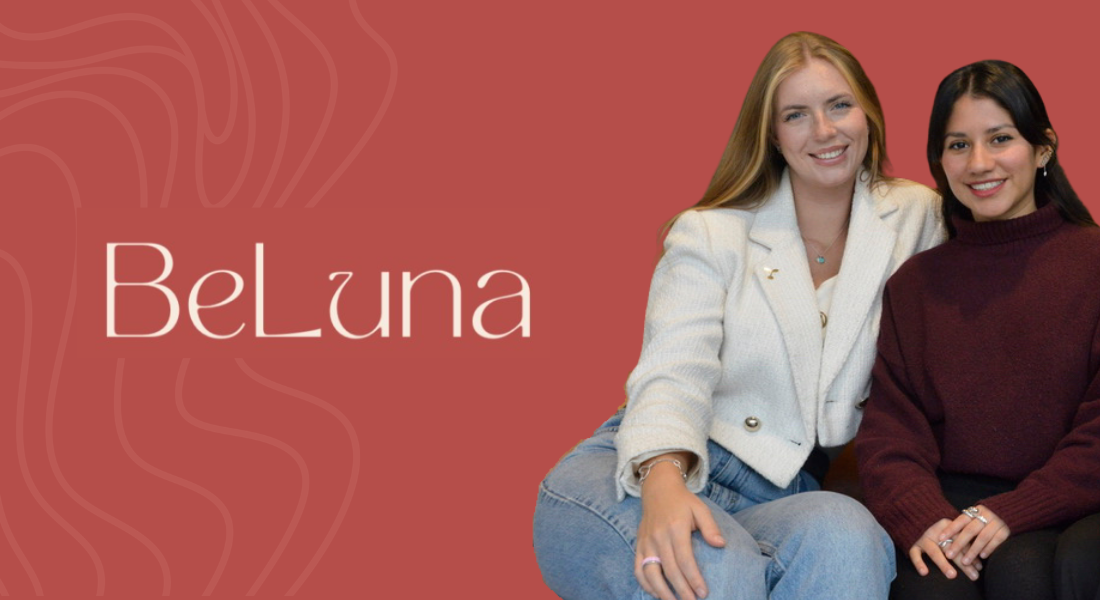
Menstrual health affects billions of people throughout their lives, yet it remains one of the most overlooked topics in global health. Meet BeLuna, a student start-up from the University of Copenhagen, which is trying to change the conversation around menstrual health.
Despite growing awareness of menstrual health’s impact on education, work, mental well-being, and gender equity, it continues to be surrounded by stigma, misinformation, and silence.
"When I was growing up, I didn't know anything about menstruation. I was diagnosed with what is now called PMOS (red. Polyendocrine Metabolic Ovarian Syndrome), formerly PCOS. At first, I got angry because I was like: Why has nobody taught me this? It could have saved me a lot of frustration and pain," says Fernanda Soto, co-founder of BeLuna.
When Fernanda began learning about menstrual health after her own diagnosis, she was struck not only by how much she didn't know, but also by how little those around her knew. That realisation became one of the driving forces behind BeLuna, a menstrual health initiative she co-founded with Agata Daniszewska.
BeLuna combines menstrual health education, community engagement, and innovation to promote more inclusive, science-based conversations around menstrual health. Currently, they are developing nutritional snacks tailored to each phase of the menstrual cycle.
In a conversation with the School of Global Health, the founders shared how their initiative came to life, what they have learned through entrepreneurship, and why menstrual health deserves a more prominent place within global health. Watch the entire interview in the video below.
We want to move menstrual health into the health agenda. It's affecting half of the population for 40 years of their lives.
Looking beyond periods
"In BeLuna, we really care about building a community. Many people struggle with the same issues, and not enough people are talking about it or getting the appropriate care and support," says Agata.
The BeLuna team explains that menstrual health is about far more than the biological process of menstruation. It is closely connected to culture, health literacy, education, and people's ability to participate fully in society. The founders believe that improving menstrual health requires not only better access to products and healthcare but also changing the conversations surrounding menstruation itself.
"I realised that menstruation experiences are very different from individual to individual and from culture to culture, and that menstruation is shaped by sociocultural factors, not just biology," says Fernanda.
An interdisciplinary approach to a global challenge
Fernanda brings expertise in nursing, menstrual health education, and global health research, while Agata contributes knowledge from cognitive science, communication, and product development. Together, they combine scientific evidence with user-centred design to create educational initiatives that are both accessible and engaging. Their collaboration reflects a key principle of global health: Complex challenges cannot be solved from a single disciplinary perspective.
Furthermore, starting BeLuna highlighted another important issue related to menstruation: the lack of accessible knowledge. "The knowledge was nowhere to be found... even people with medical backgrounds told us that they were not taught about menstrual health in school," says Fernanda.
From university to entrepreneurship
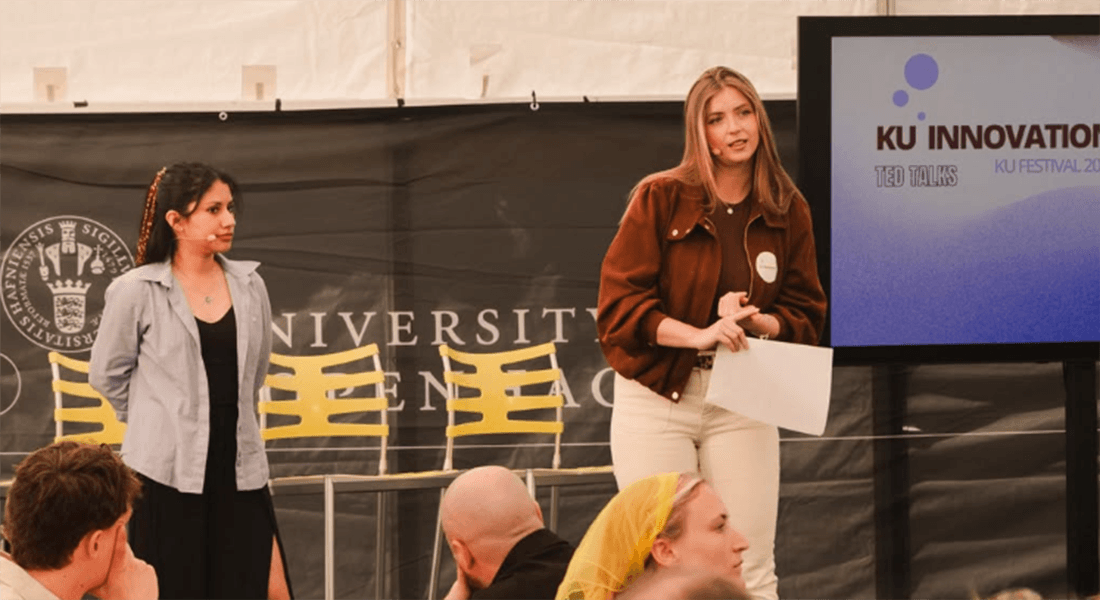
Building BeLuna has involved navigating uncertainty, learning new skills, and adapting continuously. Alongside scientific knowledge, entrepreneurship requires communication, fundraising, networking, and a great deal of resilience.
"We are building a science-based ecosystem to support menstruating people from multiple angles, addressing the widespread misinformation surrounding menstrual health," says Agata.
Their journey illustrates how ideas developed during university can evolve into initiatives that address real-world health challenges. Like many entrepreneurs, Fernanda and Agata have had to navigate uncertainty, adapt to new challenges, and remain committed to their vision. Throughout the journey, one thing has kept them moving forward: A genuine passion for the issue they are trying to address.
Fernanda encourages aspiring entrepreneurs and global health professionals to pursue work that truly matters to them: "Work on something that you really care about. That is what has kept me going."
Agata adds that building something new inevitably comes with uncertainty and setbacks, but those moments should not discourage people from continuing: "Have grace for yourself... if sometimes things don't go as you are expecting, just keep trying. There are doubts that all of us have, but once you are cohesive in your message, the doubts will be gone at some point."
Fernanda concludes with a simple message: "Keep talking about menstrual health everywhere." It's a reminder that advancing menstrual health begins with breaking the silence and creating space for open, evidence-informed conversations.
Interested in learning more about BeLuna?
You can follow their work on LinkedIn and Instagram, where they share educational resources, updates, and opportunities to engage with conversations around menstrual health and social entrepreneurship.
Contact
Get in contact with the School of Global Health if you are interested in hearing more about innovation opportunities for students.
Read about our global health innovation activities here.