Kenya
9 March 2026
Climate change, extreme heat and health: From evidence to action
Extreme heat
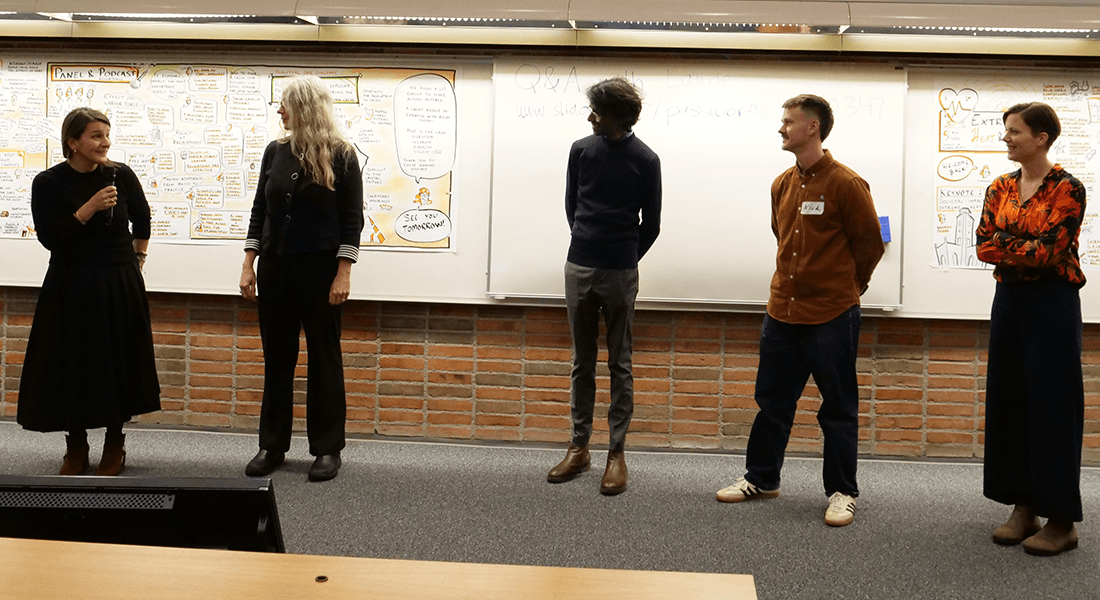
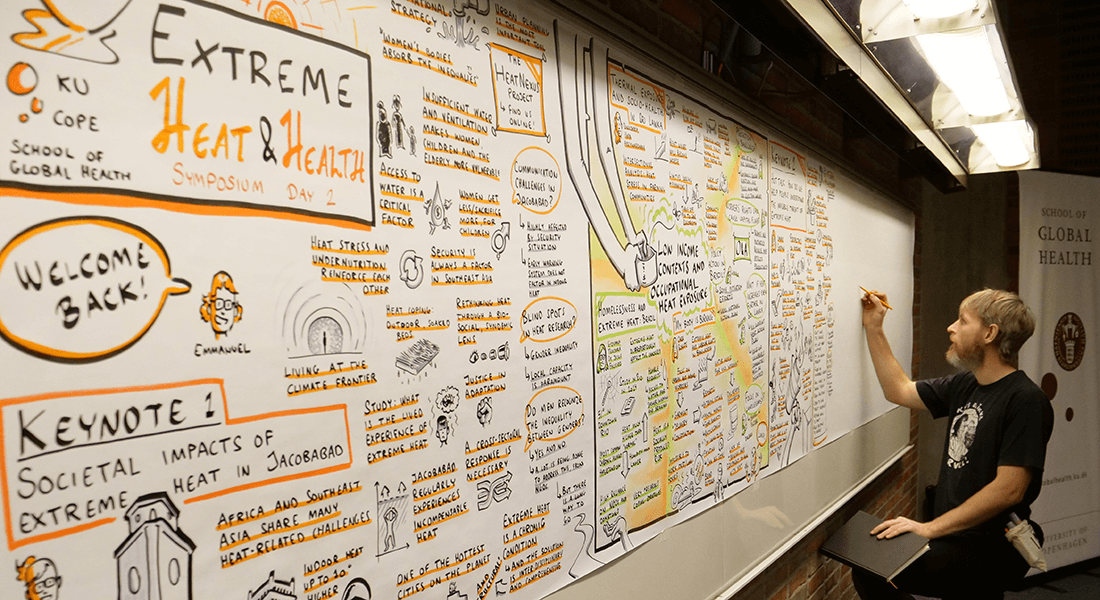
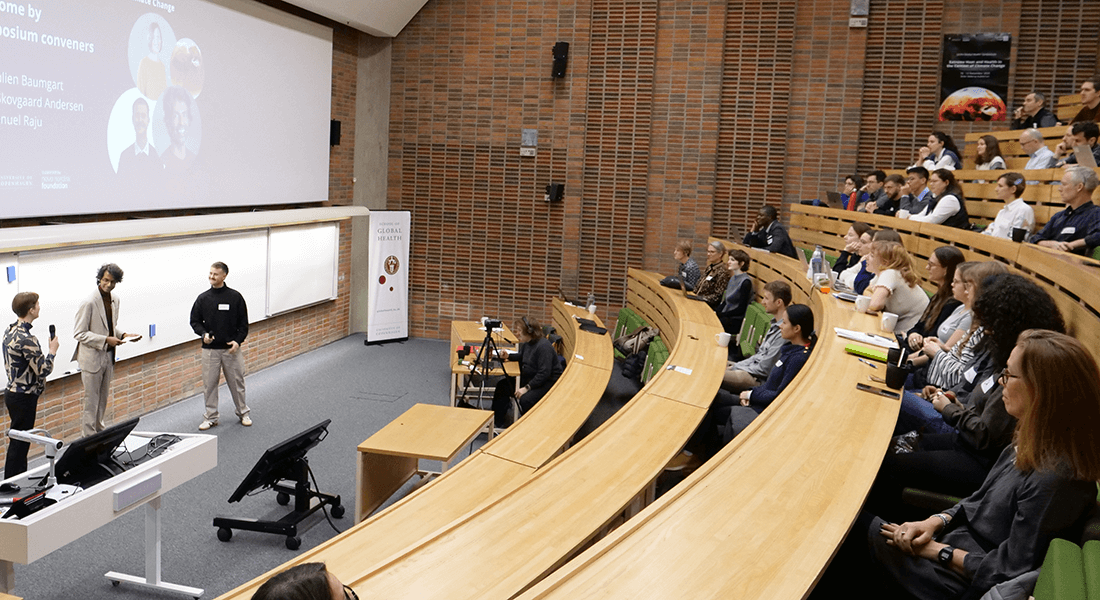
In December 2025, the School of Global Health and Copenhagen Center for Disaster Research brought together researchers, practitioners, journalists and policymakers to explore one of the most urgent yet underestimated threats of our time: the impact of extreme heat on health in the context of climate change.
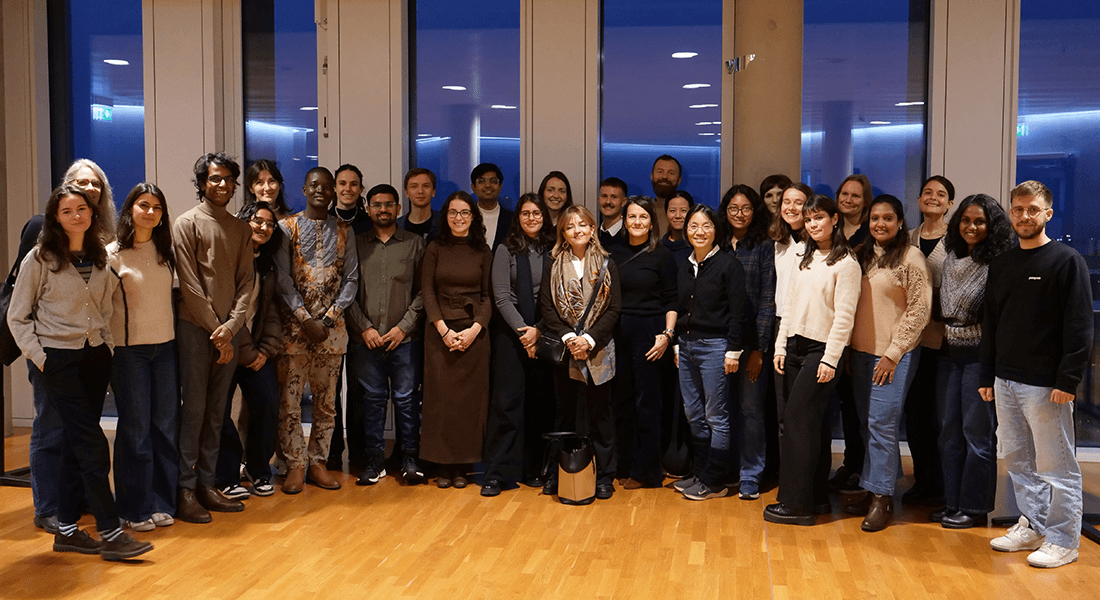
Across three days of presentations, rapid-fire talks and workshops, one message resonated clearly: heatwaves are not just meteorological events - they manifest as a major health crisis and is a matter of justice. Addressing heat and health requires interdisciplinarity to be able to unpack the problem and create health sector preparedness. Further, we need political will to put these solutions into practice.
Below are key insights and emerging priorities from the symposium, including presentation recordings and a podcast recording of an interdisciplinary heat and health panel.
Heat as a biosocial risk
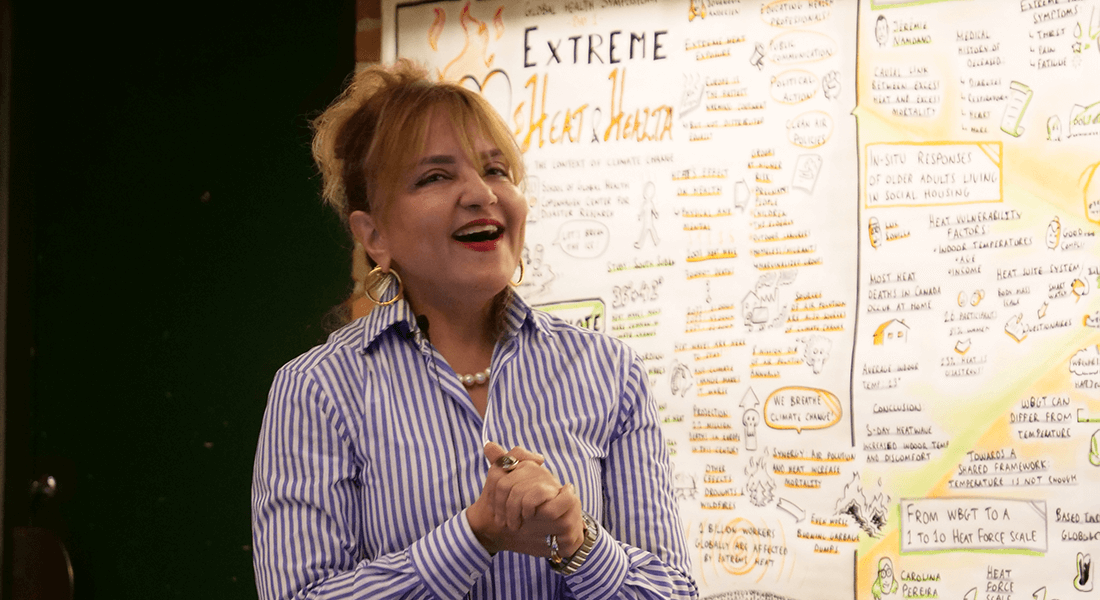
While extreme heat is often framed as an environmental hazard, several speakers urged participants to understand heat as a biosocial phenomenon. Health impacts (kidney failure, cardiovascular strain, dehydration) are often "stealthy", accumulating quietly until systems break. Importantly, as one of the keynotes, Nausheen Anwar, argued, heat reveals the fault lines of our societies since its exposure is shaped by labour regimes, urban planning and housing design, gender norms, access to water, cooling and healthcare, political priorities and budget allocations.
Who is most vulnerable to heat?
Participants emphasised that vulnerability is not only biological. It is also structural. High risk groups include pregnant women, infants and young children, older adults, people with chronic cardiovascular, respiratory, kidney or mental health conditions, outdoor and informal workers, people without access to cool environments and displacement-affected communities.
- Gendered heat burden: Research from India, Bangladesh and Pakistan highlighted how women’s heat exposure is shaped by caregiving responsibilities, restricted mobility, clothing norms and unequal access to nutrition and hydration. Furthermore, maternal health is often absent from heat action plans.
- Labour and informality: In Bangladesh and Pakistan, garment workers and construction workers reported restricted water access, withheld pay and fear of retaliation if they slowed down during heatwaves. Informal workers often fall outside regulatory protections.
- Displacement contexts: In refugee camps in Bangladesh and South Sudan, extreme heat intensifies water insecurity, reduces water quality and increases risks of skin conditions and infectious disease. Despite this, humanitarian responses have historically prioritised "winterisation" over "summerisation".
Health systems under pressure
A central theme was the preparedness (and limits) of health systems. Several health system challenges emerged during the symposium presentations:
- Lack of daily or weekly health data in many countries
- Poor integration of climate data into health information systems
- Unclear institutional responsibility for heat preparedness
- Limited financing for adaptation
Warnings alone are insufficient. As Francesca de’Donato noted during the interdisciplinary panel, heat action plans require clearly allocated responsibilities and concrete protective measures, not just alerts.

Early warning systems: necessary but not enough
Early warning systems (EWS) are expanding globally, but participants identified several gaps such as definitions of "extreme heat" that vary widely; systems that are often top-down and not co-designed with communities; mortality as the primary indicator, while mental health and well-being are overlooked and implementation after warnings remains weak. EWS must be embedded in broader preparedness strategies: cooling infrastructure, labour protections, clinical guidance and social support systems.
The built environment: cooling bodies or buildings?
Architecture emerged as a central theme. Passive cooling (shade, ventilation, tree planting, reflective materials) was described as "low-hanging fruit". Yet self-builders represent most of the global construction workforce, raising questions about incentives and governance.
Lived experience and knowledge gaps
Across sessions, participants stressed the need for more qualitative and lived-experience research. While epidemiological evidence is growing, adaptation strategies often fail when they overlook cultural practices, traditional knowledge, gender norms and informal coping mechanisms. Understanding vulnerability requires engaging communities not just as beneficiaries, but as co-designers of adaptation strategies.
Communicating the invisible threat
Journalist and keynote speaker, Laurie Goering, challenged participants to rethink how heat is communicated. Mortality statistics alone are insufficient. People connect to stories, shared values and lived experience. Key communication lessons included:
- Know your audience and what they care about
- Use accessible language, avoid jargon
- Be a trusted messenger (sometimes not the most senior person)
- Don’t preach or shame
- Balance urgency with hope
- Make “cool” aspirational
Participants discussed seasonal attention cycles, disinformation and the tension between academic legitimacy and accessible communication. Social media, community leaders and journalists were identified as essential partners in translating research into action.

How do we make heat politically salient?
Governments are constantly balancing competing priorities, and right now defence budgets are often increasing while funding for climate adaptation falls behind. In that reality, participants pointed out some uncomfortable but important truths. Strong regulation tends to have a more lasting impact than soft policy guidance. With adaptation, there are real limits to how much societies can adjust to rising temperatures. Focusing on "resilience" is not enough if people’s fundamental rights are not protected. Ultimately, heat cannot be treated as just an environmental or technical challenge. It needs to be embedded within broader efforts toward social justice and health equity.
Emerging Priorities
The symposium concluded with several cross-cutting priorities:
- Improve data collection, reporting and surveillance on extreme heat and heatwaves, particularly in low- and middle-income countries.
- Integrate climate data into health systems, including maternal and mental health indicators.
- Strengthen labour protections for exposed workers.
- Design climate-resilient health infrastructure, prioritising passive cooling.
- Co-design heat action plans with communities.
- Elevate lived experience research alongside quantitative evidence.
- Invest in communication strategies that translate science into action.
As one speaker noted, what we once called "unprecedented" now happens every few years. Extreme heat is no longer a future threat; it is a present reality.
From dialogue to action
The symposium demonstrated the power of bringing together epidemiologists, sociologists, humanitarian actors, architects, neuroscientists and journalists under one roof. Heat challenges disciplinary silos. It demands systems thinking. And it forces us to confront uncomfortable truths about inequality, governance and the limits of adaptation.
But the discussions also revealed possibility: scalable local interventions, innovative communication tools, labour rights breakthroughs and growing interdisciplinary collaboration. If the climate crisis is a health crisis, then extreme heat may be one of its clearest signals. The question now is not whether heat will intensify, but whether our health systems, policies and societies will respond in time.
Do you want to watch, read or hear more?
If you would like to explore the symposium outcome more in depth, we have made recordings of all presentations available here:
- Videos: Recordings of the symposium presentations
- Podcast: Emerging Interdisciplinary Perspectives on Extreme Heat
- Blogpost by keynote speaker Nausheen Anwar: Why Extreme Heat Demands a New Health and Justice Lens
- Abstracts and slides: Find the accepted abstracts for lightning talk, poster presentations, presentation slides, and keynote descriptions here.
- Programme: Explore the programme overview on the symposium website here.
We are grateful to the Novo Nordisk Foundation for funding the symposium. We also acknowledge the DANIDA-funded project Climate Change Attribution and Vulnerability in Kenya.