
Kenya
9 March 2026
Gregor Schäfer: Migration, education, and the future of the global health workforce
Spotlight
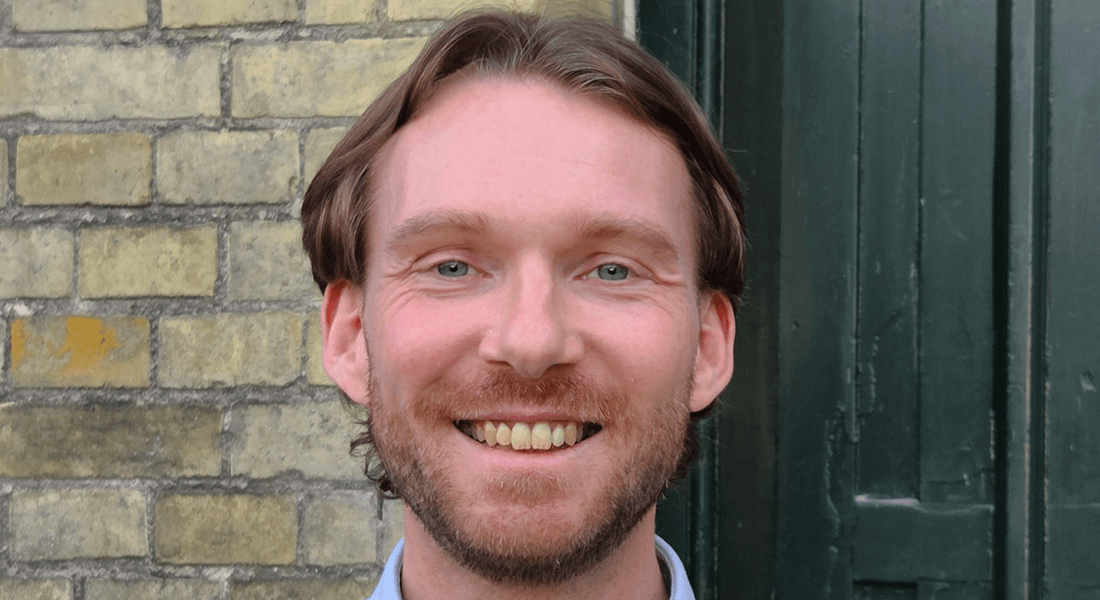
Meet Gregor Schäfer, a postdoctoral fellow at the Global Health Section, Department of Public Health, University of Copenhagen. In this spotlight, Gregor reflects on his research exploring the links between migration, higher education, and the global health workforce.
Tell us about your work
My research lies at the intersection of global health, migration, and higher education. I recently joined the Partnership for Education of Health Professionals project as a postdoctoral fellow in the Global Health Section.
As a sociologist by training, I am relatively new to health research, which makes working in this interdisciplinary field especially exciting. In the project, I study how health professions students in India and Kenya experience mobility, develop attitudes toward migration, and eventually decide whether to work in their home country or abroad.
Using a longitudinal design, we follow and interview students over time to understand how these decisions unfold. My work also explores how digital and distance education are reshaping health professions training in resource-limited contexts.
Why is this research important?
Health systems depend on having the right people with the right skills in the right places. Yet mobility of health workers – a cross regions, countries, and sectors – can deepen inequalities in access to care.
By studying how migration ideas develop during training and how early career decisions evolve after graduation, my research aims to clarify when and why mobility becomes likely.
Understanding these dynamics can inform policies on workforce planning, global health education, and international partnerships. It also helps move the debate beyond simplistic ideas of “brain drain” or “opportunity” toward a more nuanced understanding of migration as part of broader social and institutional processes.
What excites you about your work?
What fascinates me most is that the questions I study – about place, education, and health – are both universal and deeply contextual. Each setting generates new insights into how health professions education and healthcare systems function.
Our research is also highly practical. The goal is not only to generate knowledge but also to contribute to stronger public health systems that distribute healthcare knowledge and expertise more effectively. Seeing research connect to real-world practice is both motivating and rewarding.
Where do you see yourself in 10 years?
Academia is unpredictable, but I hope to continue researching global health education and migration within the health professions. These topics will likely become even more important as health systems face increasing global challenges.
I also hope to contribute to building fair and sustainable international partnerships and to supporting regional development beyond national boundaries.
What advice do you have for junior researchers in global health?
If possible, try to globalise your academic trajectory. Short-term research stays, international collaborations, and digital networks are powerful ways to build meaningful connections across borders.
These collaborations enrich research and help shape how we understand global health challenges. And most importantly, never assume that we have learned enough to make absolute judgments – global health constantly challenges us to keep learning.
What is your favourite source of global health inspiration and knowledge?
My colleagues in this highly dynamic and interdisciplinary field. Global health brings together natural, medical, and social scientists from all over the world who work closely toward common goals.
This collaborative spirit is incredibly inspiring and provides endless opportunities to learn from different perspectives and experiences.
Contact
Gregor Schäfer
Postdoctoral Fellow
Global Health Section, Department of Public Health, University of Copenhagen
gregor.schafer@sund.ku.dk