
Student board
21 January 2026
From data collection to innovation: Student perspectives on health challenges in Kibera
Kenya
How can student perspectives shape Denmark’s development cooperation? How are the Sustainable Development Goals translated into real-life action? And how can students meaningfully support local organisations in addressing health challenges in Kibera, Africa’s largest informal settlement?
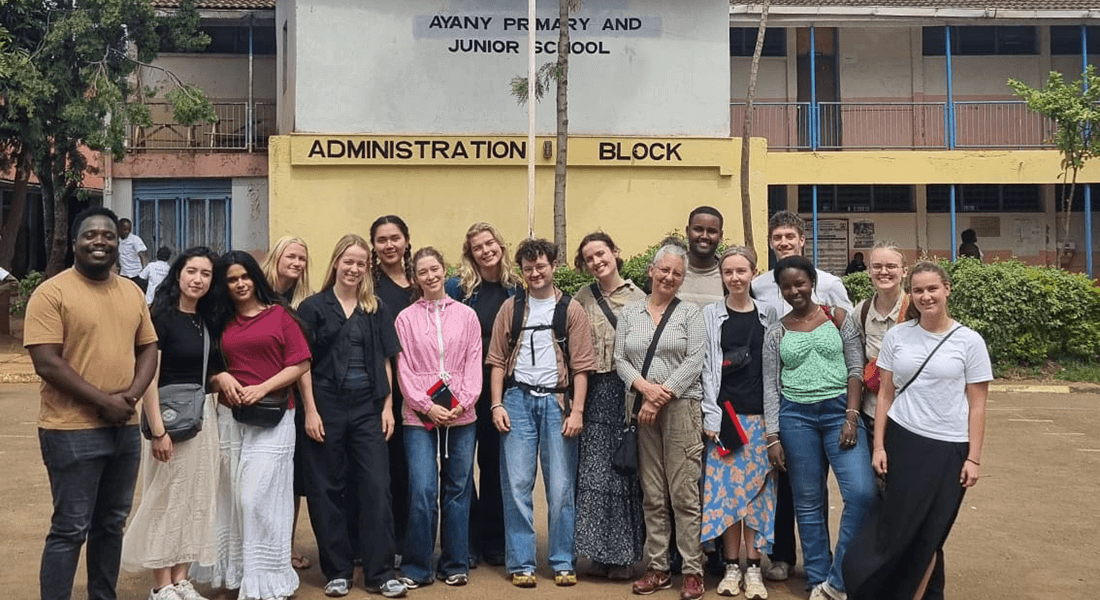
These questions were at the heart of the Pitch Event held at UCPH Lighthouse on Friday 16 January, where 15 students from the University of Copenhagen presented innovative, student-driven solutions developed through the Study and Innovation Programme in Kenya.
Learning through partnership and practice
The programme was designed from scratch as an intensive, practice-oriented learning journey. Over five and a half weeks, including preparation in Copenhagen, two weeks of data collection in Kibera, and an innovation phase at UCPH Lighthouse, students worked closely with local organisations, community leaders, health workers and residents. Students returned from Kenya not only with data, but with a strong emotional connection to the people and contexts they had engaged with.
Four student-led innovation cases
At UCPH Lighthouse, students translated their data insights into concrete interventions grounded in local realities, ethical and critical reflections and through structured innovation activities and expert mentoring by Innovation Consultant Gergana Romanova. The Pitch Event marked the culmination of this process, where four student teams presented solutions addressing interconnected health and development challenges.
A community-led menstrual health model
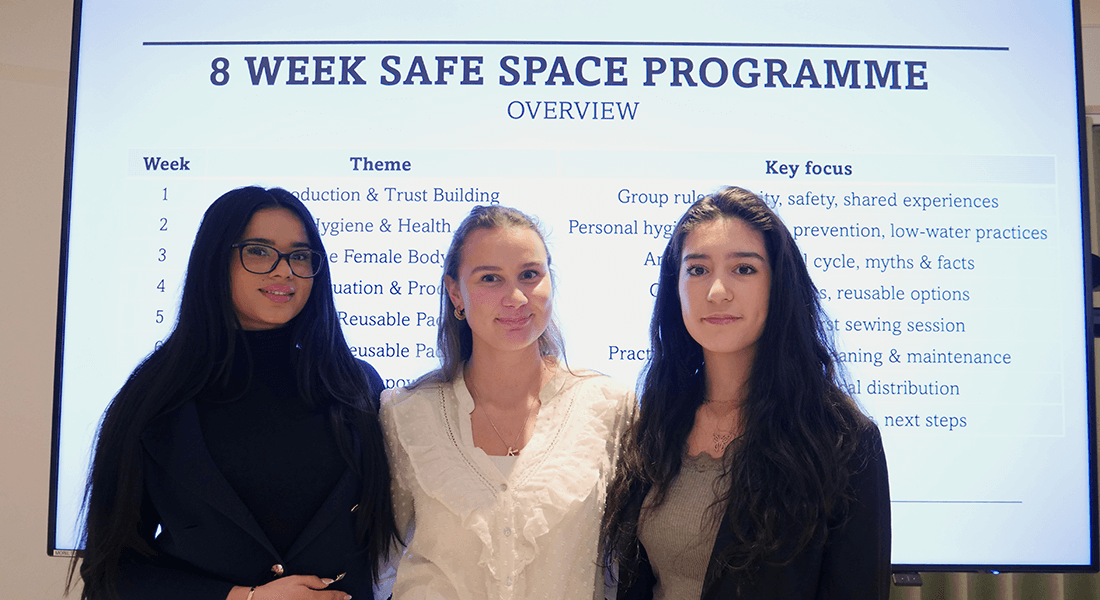
Team 1 proposed an eight-week safe space programme where girls and women gain menstrual health knowledge, learn to produce reusable menstrual products, and develop basic economic skills. The model addresses menstruation not only as a health issue, but also as one shaped by stigma, safety, silence and economic constraints – with long-term sustainability rooted in community ownership. See the presentation here.
Micro-finance for sustainable WASH access
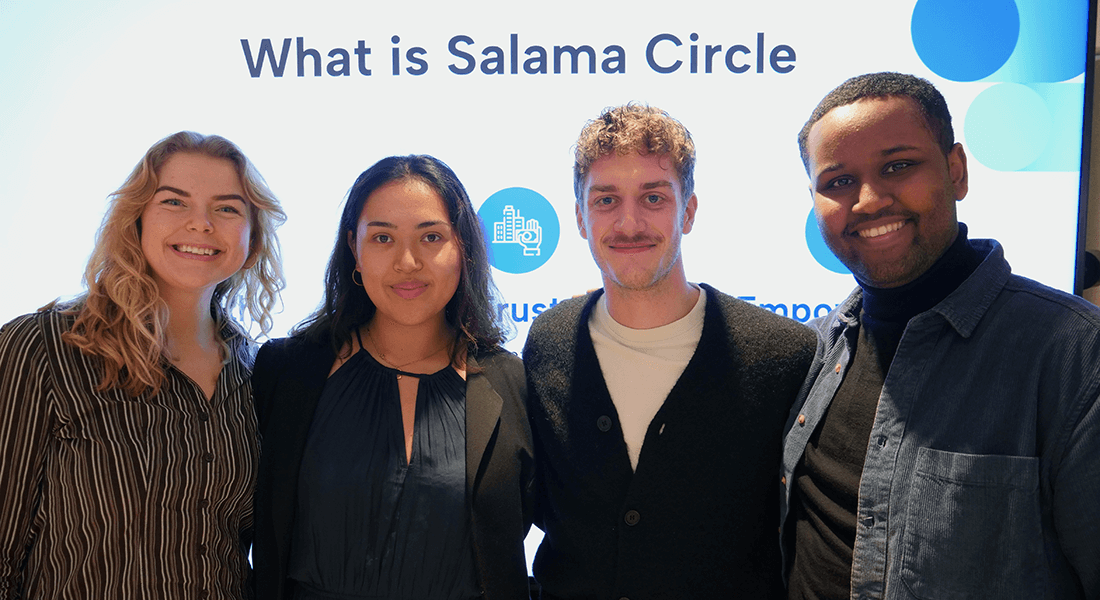
This case explored how trust-based, zero-interest savings circles could enable families with low socio-economic backgrounds to access water and sanitation services without falling into debt. The model challenges traditional loan-based systems by prioritising trust, empowerment and environmental co-benefits over profit alone. See the presentation here.
Community adoption of biogas through education
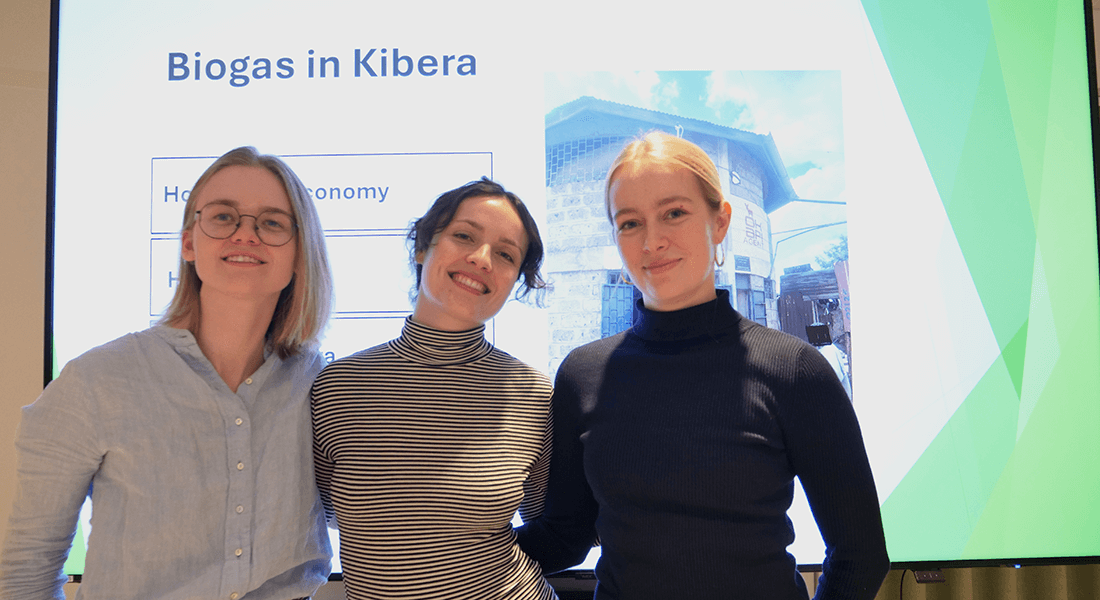
Building on existing biogas initiatives in Kibera, students from team 3 proposed integrating biogas into school science curricula and organising community demonstration days. By engaging students, families and schools, the intervention aims to reduce reliance on charcoal, improve health outcomes and foster long-term community ownership of clean energy solutions. See the presentation here.
Sexual and reproductive health for boys with disabilities
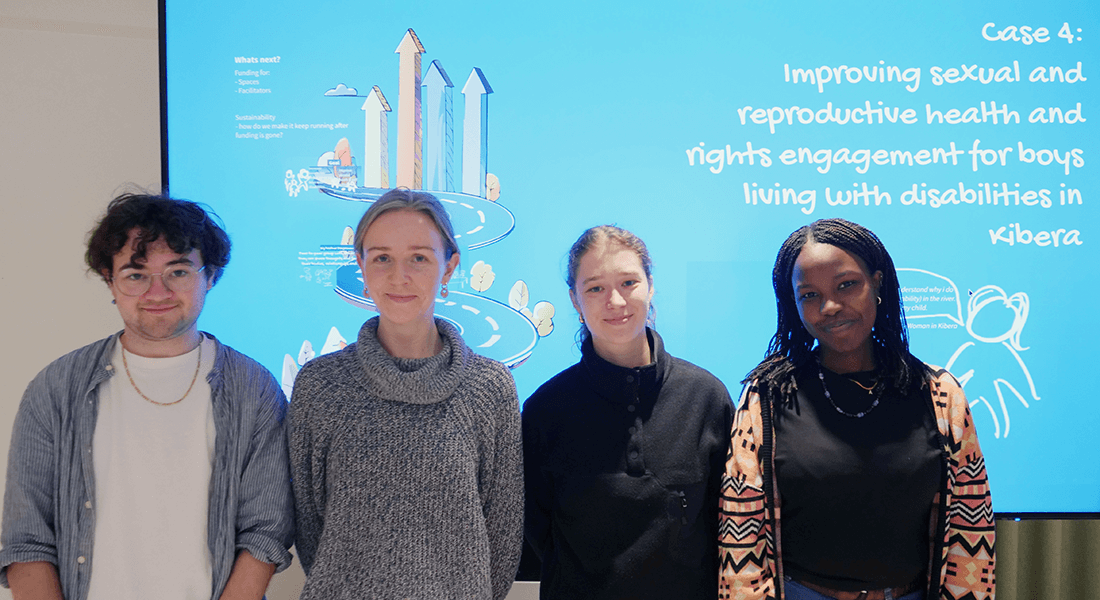
Focusing on a frequently overlooked group, this case introduced peer-led “Big Brother” programmes for boys with disabilities alongside parent exchange groups. The dual approach addresses stigma, isolation and lack of tailored SRHR education, recognising that inclusive health interventions must involve both children and caregivers. See the presentation here.
Sustainable Development Goals in practice and beyond 2030
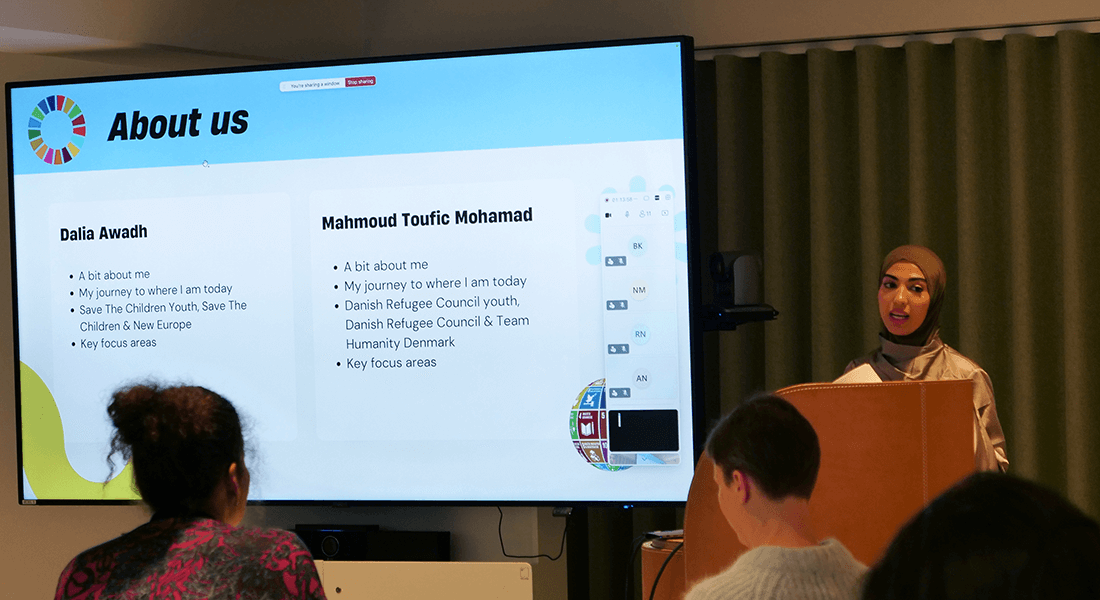
The event was further enriched by a talk from Dalia Awadh, a Sustainable Development Goals (SDGs) ambassador, who shared how her background in nursing sparked an interest in stigma, health care and education, motivating her to engage with the SDGs beyond the classroom. Emphasising the principle of “leaving no one behind”, she encouraged students to see the SDGs not as fixed targets for 2030, but as a long-term direction requiring commitment, collaboration and hope. Her message was clear: innovation should not end with this pitch. With thousands of organisations active across Denmark, she urged students to continue their engagement through volunteering, reminding them that global change often starts locally. See the presentation here.
Throughout this learning programme, students reflected on how goals such as SDG 3 (Good Health and Well-being), SDG 5 (Gender Equality), SDG 6 (Clean Water and Sanitation) and SDG 17 (Partnerships for the Goals) are implemented in complex, real-world settings. A recurring message emerged: achieving the SDGs requires the right actors in the room, long-term partnerships, and the willingness to navigate uncertainty. Students were encouraged to see themselves not only as learners, but as active contributors to global change, grounded in collaboration, responsibility and sustained engagement.
The Study and Innovation Programme in Kenya is organised by the University of Copenhagen’s School of Global Health in partnership with the Danish NGO 100% for the Children. The project is supported by GLOBUS Foundation.