Join the youth SDG network and contribute to a more equal, sustainable, and just world.
Study and Innovation Programme in Kenya
How can student perspectives shape Denmark’s development cooperation? How are the Sustainable Development Goals (SDGs) applied in real life? And how can students help local organisations tackle health challenges in Kibera, Africa’s largest informal settlement? This is the focus of the Study and Innovation Programme in Kenya.
Learn more about the programme below, the solutions proposed by the students, and watch and listen to the experiences of the students.
About the Programme
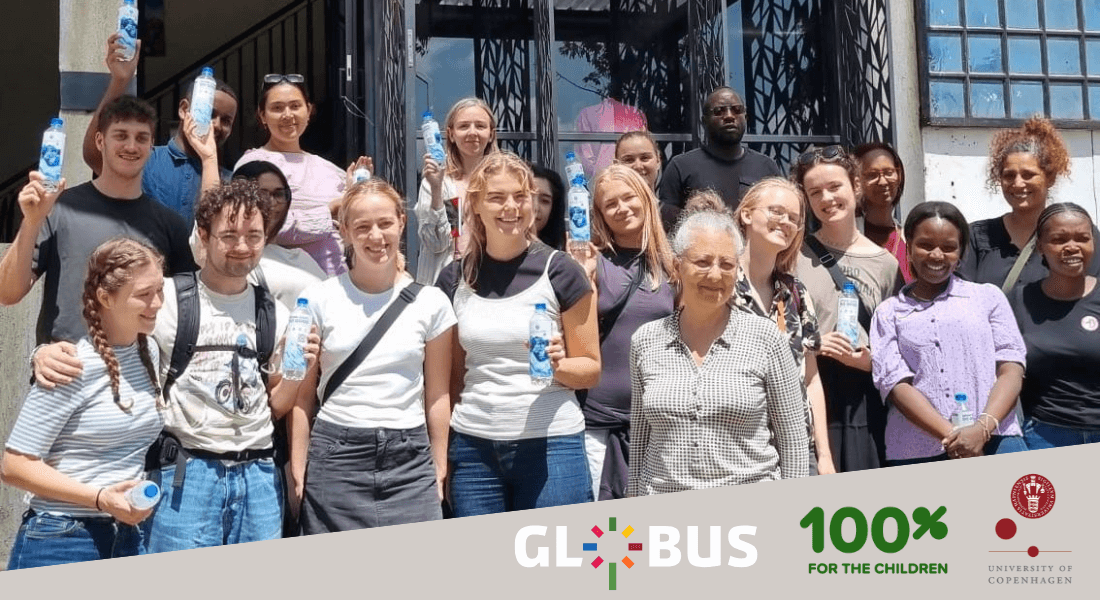
15 students from the University of Copenhagen spent two weeks in Kenya, working side-by-side with local partners in Kibera - Africa’s largest informal settlement - to understand community needs from the ground up. During their stay, the students engaged with a wide range of stakeholders – from community leaders, parents, and educators to water distributors, loan groups, youth ambassadors, and health workers. They observed, listened, and reflected to gain a deeper understanding of everyday challenges and opportunities.
Working in four teams, the students explored these key areas:
- Access to reusable menstrual products
- Microfinancing models for water and sanitation
- Community adoption of biogas solutions
- Sexual and reproductive health engagement for boys with disabilities
Back in Copenhagen at the UCPH Lighthouse, the students transformed their field insights into concrete ideas and innovative solutions designed to support sustainable, community-driven change.

The students own perspectives on the programme:
Step into the programme through the eyes of the participating students as they share the insights, challenges, and transformations that shaped their learning journey. Meet Shaili Mahdavipour (Law), Yaasir Abdullahi Mohamed Gabeyre (Health Informatics), Mathilde Sten Nielsen (Anthropology), and Storm Valbro Helms (Psychology) in the video below.
Podcast
Tune in as the students share their firsthand experiences with the programme — what inspired them, what they learned, and the challenges they tackled along the way.
Find both episodes on Simplecast, Apple Podcast or Spotify - or click on the pictures to the right to listen.
Podcast in Danish!
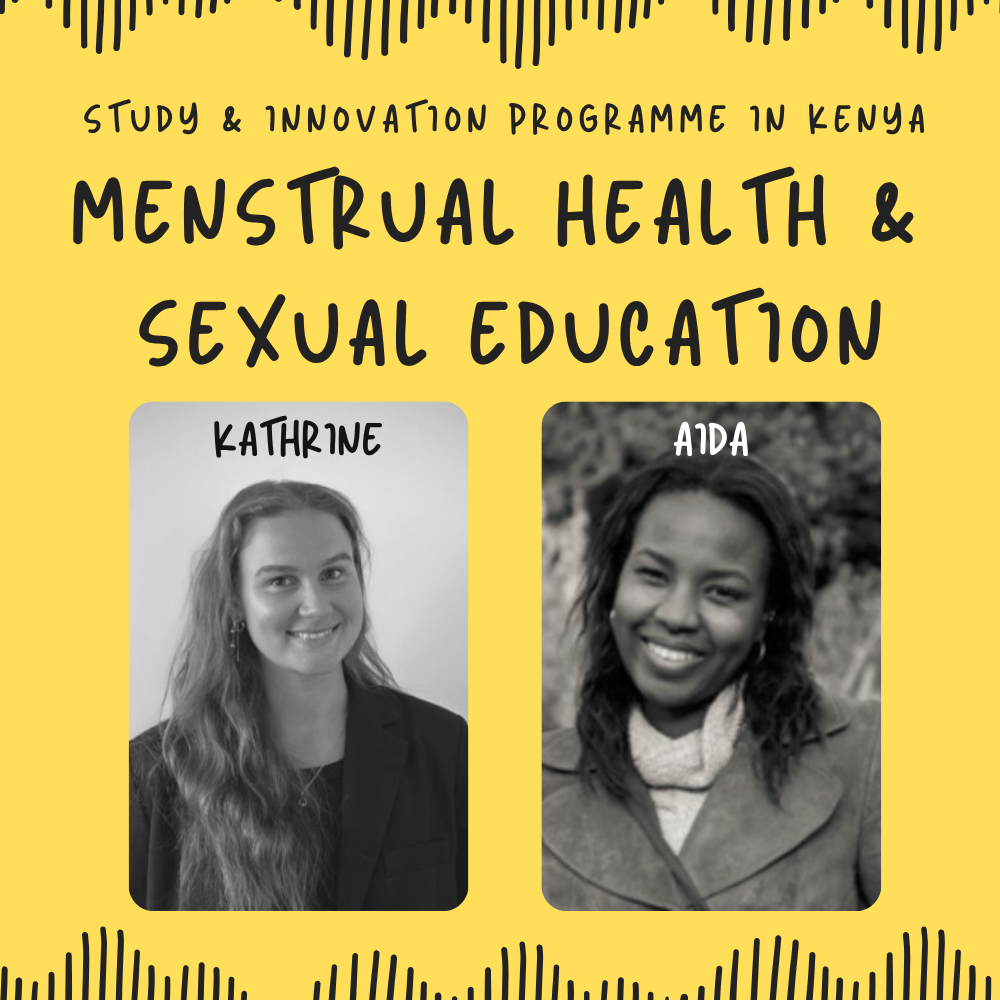
Episode 1: Menstrual health and sexual education
Meet Kathrine Bækkelund Randdal Hansen (Political Science) and Aida Mai Ceesay (Psychology).
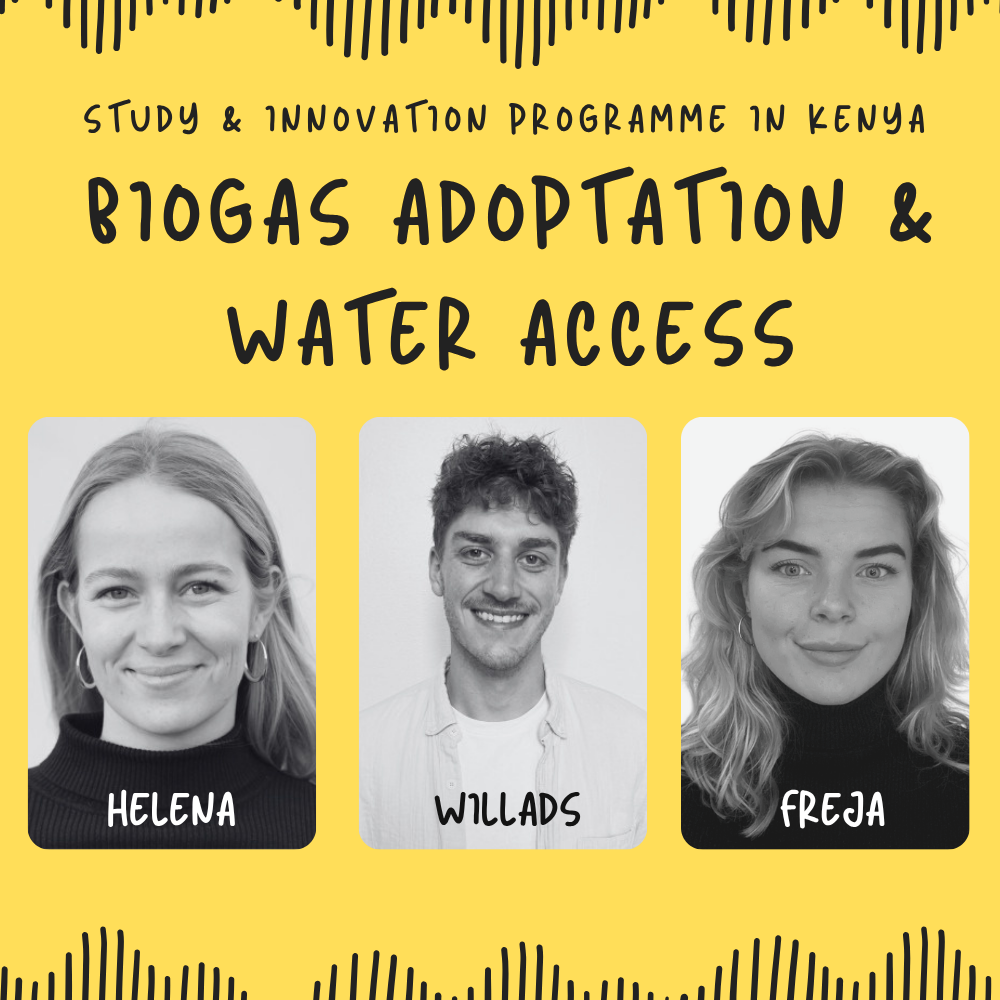
Episode 2: Biogas adoptation and microfinancing for water access
Meet Helena Gyldenlev (Anthropology), Freja Myrup Høg (Economics), and Willads Ferdinand Pfeiffer (Health Informatics)

Articles
Student journalist Marieke Dohrmann from the blog Eye on Global Health sat down with two students from the programme to talk about their cases and the experiences that shaped their learning journey.
Public Health student, Anna Bonde Hinke, visited a biogas center in Kibera.
Interview: A student’s perspective on biogas in Kibera, Kenya
Law student, Vanessa Karamy, worked on a menstrual health challenge.
Interview: A Student’s Perspective on a Community-Based Menstrual Health Programme in Kibera, Kenya
Explore the solutions
Dive into the students’ final pitches and discover how they tackled the four complex cases from Kibera.
A sustainable community-led menstrual health model in Kibera
Team 1 proposed an eight-week safe space programme where girls and women gain menstrual health knowledge, learn to produce reusable menstrual products, and develop basic economic skills. The model addresses menstruation not only as a health issue, but also as one shaped by stigma, safety, silence and economic constraints – with long-term sustainability rooted in community ownership.
Team members: Shaili Mahdavipour (Law), Kathrine Bækkelund Randdal Hansen (Political Science) and Vanessa Karamy (Law)
Salama Circle: Micro-finance model for water access
Team 2 explored how trust-based, zero-interest savings circles could enable families with low socio-economic backgrounds to access water and sanitation services without falling into debt. The proposed model challenges traditional loan-based systems by prioritising trust, empowerment and environmental co-benefits over profit alone.
Team members: Freja Myrup Høg (Economics), Lotus Yip Bargejani (Sociology), Willads Ferdinand Pfeiffer (Health Informatics), and Yaasir Abdullahi Mohamed Gabeyre (Health Informatics).
Community adoption of biogas through education
Building on existing biogas initiatives in Kibera, team 3 proposed integrating biogas into school science curricula and organising community demonstration days. By engaging students, families and schools, the intervention aims to reduce reliance on charcoal, improve health outcomes and foster long-term community ownership of clean energy solutions.
Team members: Anna Bonde Hinke (Public Health), Mathilde Sten Nielsen (Anthropology), Helena Gyldenlev (Anthropology) and Bettina Buchholtz (Middle Eastern Studies)
Sexual and reproductive health education for boys with disabilities
Focusing on a frequently overlooked group, team 4 ipropose a peer-led “Big Brother” programmes for boys with disabilities alongside parent exchange groups. The dual approach addresses stigma, isolation and lack of tailored SRHR education, recognising that inclusive health interventions must involve both children and caregivers.
Team members: Aida Mai Ceesay (Psychology), Sara Lerche (Cognative Data Science), Amalie Brockdorff Damm (Global Health), Storm Valbro Helms (Psychology).
How can you contribute or participate?
We hope this programme inspires even more students and young people to get involved in global development work and the Sustainable Development Goals. Ready to make a difference?
Special thank you the local case experts:
- Sukri Hussein, Programme Manager, 100% for the Children Kenya
- Peggy Namadi Saka, Regional Coordinator, Kenya Alliance for Advancement of Children
- Vincent Otieno, Monitoring and Evaluation Focal Point for WASH, SHOFCO
- Byrones Khainga, Technical Services Director, Human Needs Project
- Benson Kiptum, Head of Programme, Kenya Association for the Blind
- Anthony Nzuki, CEO, Association for the Physically Disabled of Kenya
- Timothy Ekesa, CEO, Kenya Alliance for the Advancement of Children
- Kevin Odhier, Research Consultant & MEAL Specialist
And all the wonderful people of Kibera who contributed to this project.
Contact:
Morten Mechlenborg Nørulf
Project Manager, School of Global Health, University of Copenhagen
mortenmn@sund.ku.dk
Camilla Legendre
Director, 100% for the Children Denmark
cdw@100pct.org
Acknowledgement:
This project is funded by: